Ursula von der Leyen Calls for a More Cautious Approach to Advanced AI
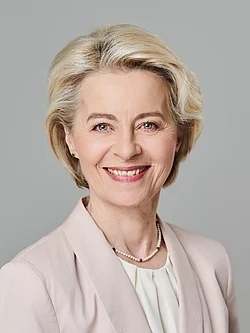
European Commission President Ursula von der Leyen has called for greater caution in the development of the world’s most advanced artificial intelligence systems, placing AI safety among the European Union’s major priorities for the coming year.
Speaking to the European Parliament in Strasbourg on September 16, von der Leyen said the increasing capabilities of frontier AI models were creating new security concerns. She pointed in particular to the possibility that highly advanced systems could significantly increase the ability of malicious actors to conduct sophisticated cyberattacks.
Von der Leyen said she supported calls from some leading figures in the AI industry to slow the development of certain frontier systems. She also announced plans to invite major AI laboratories to discuss how governments and technology companies could cooperate on managing the risks associated with increasingly capable models.
Her comments come as the European Union continues implementing its regulatory framework for artificial intelligence. Von der Leyen argued that Europe could use its experience with AI regulation to help shape broader international standards, working with partners including the United Kingdom and Canada on areas such as model evaluation, verification and AI security.
The Commission president also connected technology policy with the protection of younger users. In the same speech, she proposed stricter rules for children’s access to social media, including a ban for those under 13 and additional restrictions for users under 15.
Von der Leyen’s position highlights a growing debate within the technology industry. While companies are investing heavily in increasingly powerful AI, policymakers and some AI executives are questioning how quickly frontier systems should advance.
For Europe, the challenge will be to remain competitive in artificial intelligence while establishing safeguards that address cybersecurity, misuse and other emerging risks without unnecessarily restricting innovation.


Post Comment